Programmes
Explore the Malay Language programmes at ACS (Junior), where students build literacy, cultural appreciation, and creative skills through reading, hands-on activities, and technology.
Programmes
A. Reading Programme
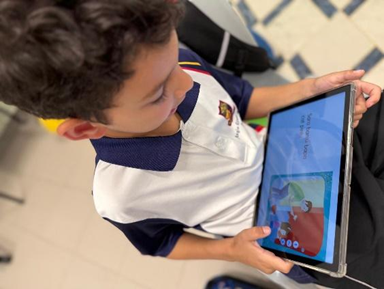
Diverse Malay language resources are leveraged to cultivate interest in reading and strengthen literacy skills. P3–P6 students read Gen-G, a Berita Harian student publication, to deepen civic and global awareness through exposure to current issues. P1–P2 students explore age-appropriate Malay stories through the WawaYaya JoyReader and Cerita Rakyat Nusantara apps, sparking curiosity and joy in reading. Extensions of the reading experience, such as story dramatization, further enhance reading comprehension and understanding.
B. Mother Tongue Fortnight
The Malay Department’s Mother Tongue Fortnight came alive through a whole-school cultural exposure that transformed the school's Foyer and classrooms into engaging spaces of authentic learning. At the Foyer, students learnt and tried traditional games such as capteh, gasing and five stones, strengthening their social and cross-cultural awareness as they interacted with peers from different cultures.
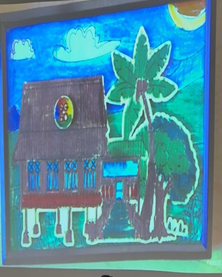
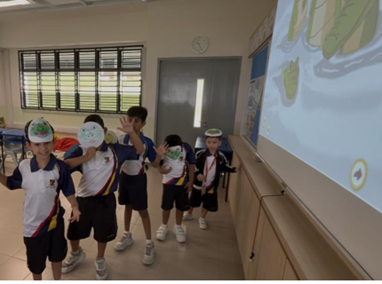
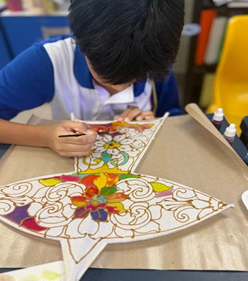
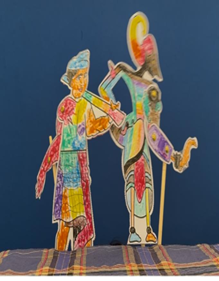
In classrooms, batik painting encouraged creative expression and thoughtful decision-making through patterns and colour design, while rumah kampung exploration deepened students’ understanding of cultural identity and heritage. Puppet making further developed communication and collaboration skills as students worked together to create and present their creation. Through these activities, students developed creativity and cultural understanding, enhancing their appreciation for the Malay language and culture.
C. Cultural Performance Exposure Scheme
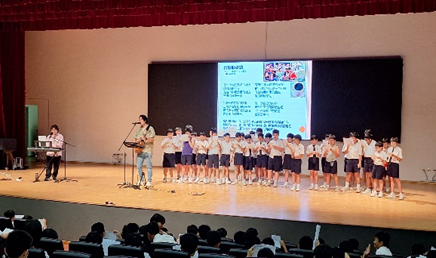
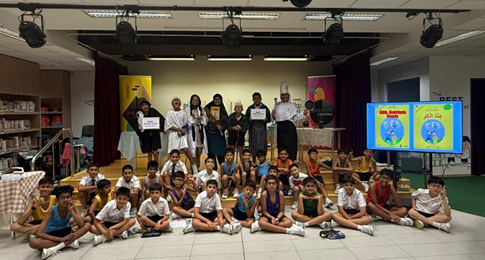
The Malay Department invited Storyscribblers to showcase an engaging performance which inspired students to reflect on their dreams and aspirations for the future. Through storytelling, music, and interactive activities, students were given opportunities to respond and engage directly with the performance. Students were invited to be part of the performance, encouraging spontaneity and creative expression. During this participation, students imagined and expressed their aspirations while reflecting on personal goals. Collaborative interactions developed critical and creative thinking, empathy, and social awareness.
D. Ed-Tech
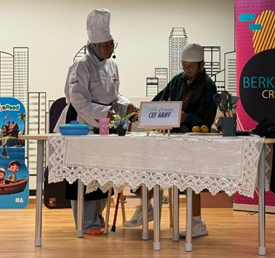
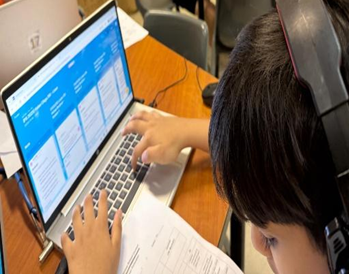
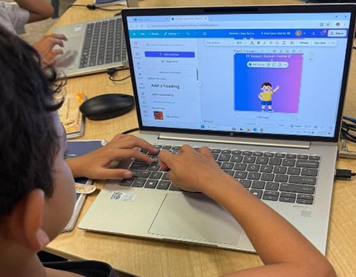
ML lessons integrate educational technology to enhance and deepen student engagement. EdTech platforms such as Padlet are leveraged to amplify learning by enabling students to upload oral recordings for self-reflection and peer evaluation, strengthening student engagement, supporting self-directed learning, and promoting meaningful collaboration. Through tools like Canva, students design digital stories and visual representations, encouraging creative thinking as they become creators and collaborators who communicate ideas purposefully and effectively. EdTech learning experiences provide students with choice and agency, empowering them to create, reflect, and engage actively in a collaborative learning environment.
E. LEGO
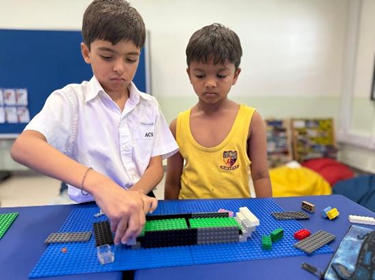
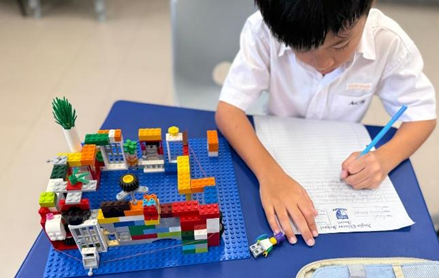
ML lessons integrate LEGO-based learning to enhance student engagement. Students use LEGO to take ownership of their learning through self-directed and collaborative activities, where they design, build, and share ideas. Through hands-on exploration, students develop creative thinking skills, problem-solving, and flexible thinking, while expressing their thoughts in meaningful ways.
F. Conversational Malay Programme
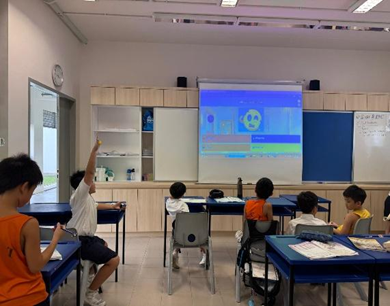
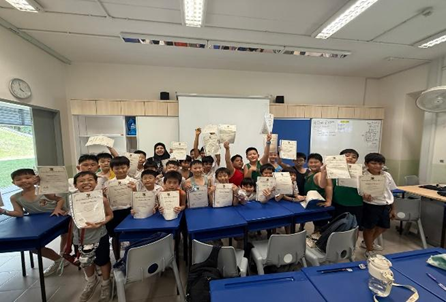
As part of our efforts to develop civic literacy and cross-cultural understanding, we offer the Conversational Malay Programme (Beginner Module) for Primary 3 students who do not study Malay. This programme introduces students to basic Malay phrases, vocabulary, and conversational skills in an engaging and interactive way. Using ICT tools such as videos and a Kahoot quiz, students not only learn to communicate effectively but also develop appreciation for Malay language and culture, building stronger friendships across communities.
G. Hari Raya Celebration
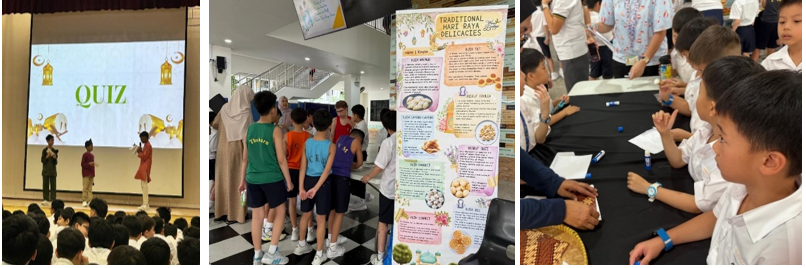
The spirit of Hari Raya came alive at ACS (Junior) as students took centre stage for the Hari Raya assembly, sharing the significance of Hari Raya Aidilfitri, the value of seeking forgiveness, and the joy of coming together in unity. Students actively engaged in the co-creation of the assembly presentation by developing slides and videos, writing scripts, and hosting an interactive quiz to engage their peers. To complement the assembly talk, festive booths were set up at the foyer, providing hands-on experiences for the wider school community. These activities enabled the school to celebrate together while deepening appreciation of Malay culture and tradition.
H. Bacalah Adikku by ACS(J) – Cluster competition
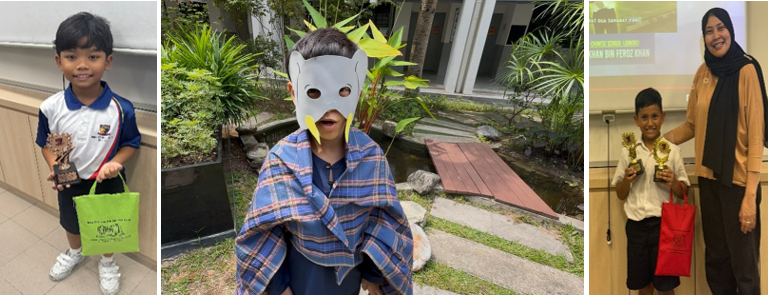
The Malay Language Department at ACS (Junior) organized the S5 Cluster Digital Storytelling Competition, “Bacalah Adikku,” offering students a platform for creative expression and meaningful learning through stories. Entries were professionally judged, building students’ confidence and deepening their appreciation of the Malay language.