
Programmes
Explore the range of Chinese Language programmes offered, from reading and oral skills to cultural immersion trips and online learning tools.
Programmes
A. Chinese Reading Programme
1) Morning Chinese Book Reading Programme
The Chinese Reading Programme is designed to nurture students’ interest in reading Chinese texts and to help them develop the habit of reading Chinese books from a young age. Through a range of carefully planned reading experiences, students are guided to appreciate stories, build vocabulary and develop confidence in using the language. These experiences support students in becoming reflective and independent learners.
2) Book Review Programme
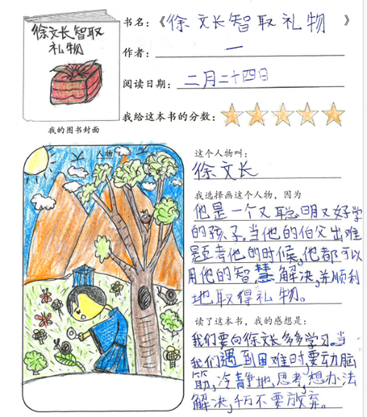
The Book Review Programme encourages students to respond to texts in both guided and independent ways. During class-guided reading sessions, students participate in creative activities such as making bookmarks, designing book covers, drawing their favourite story characters and creating character masks.
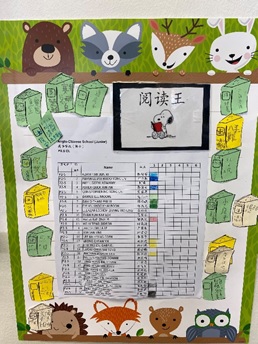
For independent reading, technology is thoughtfully integrated to support self-directed learning. Students share their reflections using digital platforms, design posters to introduce books and recommend good reads to their peers. Selected pieces of students’ work are showcased on notice boards and digital platforms, affirming effort and motivating students to read more widely.
B. Mother Tongue Fortnight
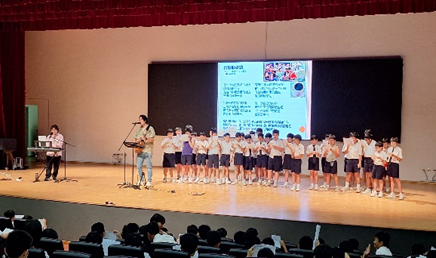
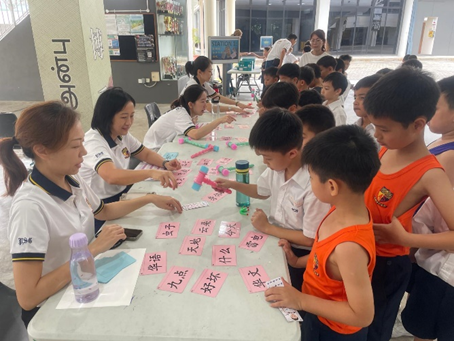
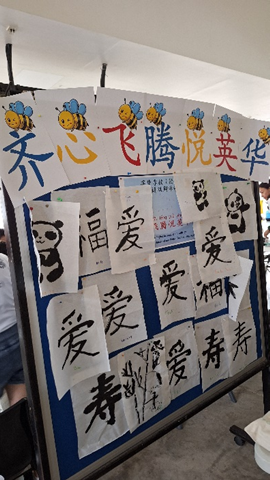
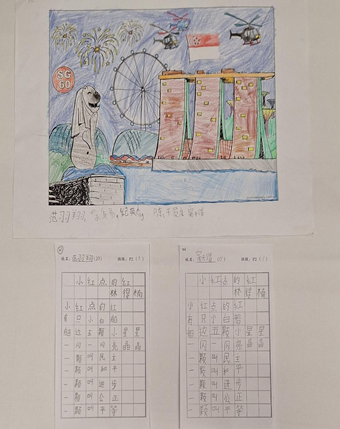
The Chinese Language Department organises the annual Mother Tongue Fortnight to promote the learning of Chinese through engaging and meaningful experiences. Over a two-week period, students participate in a wide range of activities, including drama performances, storytelling sessions for lower primary students, library-based activities, book fairs and classroom reading activities.
Through drama and storytelling, students experience the language in interactive and expressive ways, sparking interest in Chinese culture and strengthening communication skills. During recess, students can take part in Chinese games and watch Chinese animations in the library. Class-based activities further enhance engagement and collaboration.
C. Cultural Performance Exposure Scheme
The Cultural Performance Exposure Scheme (CPES), also known as “文化随意门”, is an initiative led by the Committee to Promote Chinese Language Learning (CPCLL). Through this programme, students are given opportunities to experience Chinese cultural performances at public performing arts venues.
To deepen learning, themes from the performances are thoughtfully aligned with students’ textbook content, enabling them to make meaningful connections between classroom learning and real-life cultural experiences, and to broaden their cultural perspectives.
D. Oral Enrichment Programme for Primary 6 Students
The Oral Enrichment Programme is specially designed to support selected Primary 6 students in developing their oracy skills. Trained parent volunteers conduct small-group oral practice sessions, providing students with additional opportunities to practise spoken Chinese in a supportive and nurturing environment.
This programme helps students gain confidence, improve articulation and develop the ability to express their ideas clearly, supporting their overall communication and interpersonal skills.
E. Language & Cultural Immersion to China
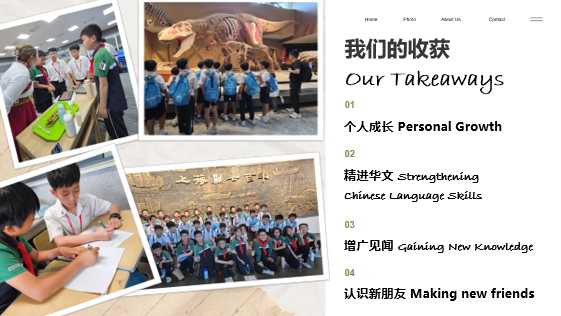
Selected Primary 5 students participate in an overseas language and cultural immersion programme to China. The programme aims to expose students to the daily life and culture of their Chinese counterparts, while providing authentic contexts for language use.
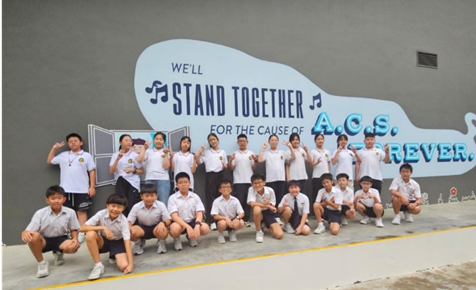
Students visit partner schools such as Qiao Yi Experimental Primary School in Wuxi and, from 2025 onwards, Ming Qiang Elementary School in Shanghai. Through school exchanges and interactions, students form friendships and communicate in Chinese. Visits to cultural and historical sites in Wuxi, Suzhou and Shanghai further enrich their learning experiences. Each year, students also host visiting students from China, strengthening cross-cultural understanding and global awareness.
F. Hinch Programme
The Hinch class, conducted as an after-school programme, it provides additional learning opportunities for students who require targeted support, helping them build confidence and develop stronger language foundations in a supportive and conducive environment.
G. E-Zhishi Online Learning Platform
All students taking Chinese Language are provided with access to the E-Zhishi online learning platform. This platform allows students to learn and revise textbook content at their own pace, supporting personalised and self-directed learning.
Resources include oral practice materials, practice questions and graded e-books with rich illustrations, audio support and pinyin to cater to diverse learning needs. Short quizzes are included to check understanding after each story. Teachers also integrate the platform into classroom lessons, and students are encouraged to make regular and meaningful use of this learning resource.